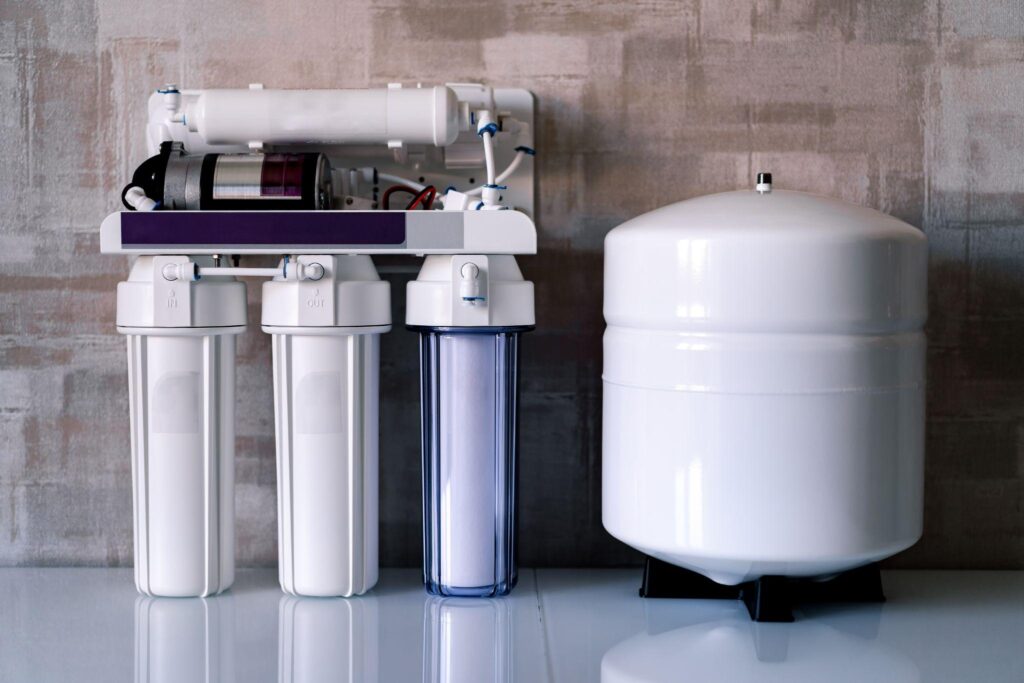
Clean drinking water is something most people take for granted until they notice a strange taste, unpleasant odor, or cloudy appearance in the water coming from their kitchen tap. Even when municipal water meets basic safety standards, its taste and quality can vary depending on the source, treatment process, and plumbing conditions. For families who want better-tasting water without constantly buying bottled water, installing a dedicated drinking water filtration system can be a practical step.
The right system isn’t necessarily the most expensive one. It’s the one that addresses your water concerns, fits your household needs, and doesn’t become a headache to maintain six months down the road.
Why Drinking Water Quality Deserves Attention
Water travels through treatment facilities, distribution pipes, and sometimes older plumbing before reaching your home. Along the way, it may pick up chlorine-related tastes, sediment, or other unwanted substances. While these issues don’t always indicate unsafe water, they can affect how comfortable people feel drinking directly from the tap.
Some families notice that their water tastes slightly metallic, while others complain about an earthy smell or an unpleasant aftertaste in tea and coffee. These little things matter. If drinking water doesn’t taste good, people often end up reaching for packaged bottles instead.
A proper water test can help identify what’s actually present. Rather than guessing or choosing equipment based on advertising claims, homeowners can use test results to decide which filtration technology makes sense.
Understanding Reverse Osmosis Technology
Among the available drinking water treatment technologies, reverse osmosis is widely used because it can reduce many dissolved substances when the system is properly designed and maintained. It works by pushing water through a specialized semipermeable membrane that allows water molecules to pass while limiting the passage of various dissolved impurities.
For households concerned about taste, dissolved solids, and certain contaminants, reverse osmosis drinking water systems can offer a convenient solution. These systems are commonly installed beneath the kitchen sink and deliver treated water through a separate faucet, keeping the setup relatively unobtrusive.
Many RO systems also include prefilters and postfilters. The prefilters help protect the membrane from sediment and chlorine, while the final filter can improve taste before water reaches the drinking tap. Some models include storage tanks, whereas newer tankless designs deliver filtered water on demand.
What Makes Multi-Stage Filtration Useful?
Not every water concern can be addressed by a single filter. Sediment, chlorine, dissolved minerals, and certain chemical contaminants behave differently, so treatment often works better when multiple filtration stages perform specific jobs.
Multi-stage drinking water filtration combines different filtration components to improve the overall treatment process. For example, a sediment filter may capture dirt and suspended particles, an activated carbon filter may help reduce chlorine and odor, and an RO membrane may address certain dissolved contaminants.
The advantage of this arrangement is that each stage serves a purpose instead of relying on one filter to handle everything. Still, the number of stages doesn’t automatically determine how effective a system is. A five-stage filter isn’t necessarily better than a three-stage model if the additional components don’t provide meaningful benefits for the water being treated.
Looking at filtration certifications, contaminant reduction claims, replacement costs, and actual system performance is far more useful than counting filter cartridges.
Choosing a System That Fits Your Household
There are several residential water treatment options available, and the best choice depends on your water source, household consumption, available space, and budget. A compact under-sink filter may work perfectly for someone living alone, while a busy household might prefer a higher-capacity system that can supply drinking and cooking water throughout the day.
Before buying anything, consider a few practical questions:
- What contaminants or water-quality issues do you want to address?
- How much filtered water does your household use daily?
- Is there enough space under the kitchen sink for installation?
- What are the filter replacement intervals and ongoing costs?
- Does the manufacturer provide clear performance information?
These details may seem boring compared with shiny product features, but they’re what make a filtration system convenient in the long run.
Maintenance Is Part of the Investment
Even a quality water filtration system needs regular care. Filters gradually become clogged or lose their effectiveness, and RO membranes eventually require replacement depending on water conditions and usage. Ignoring maintenance can affect water flow, taste, and treatment performance.
It’s worth keeping a simple replacement schedule and following the manufacturer’s recommendations. If the system includes multiple cartridges, knowing which filter needs attention and when can save time and prevent unnecessary replacements.
Homeowners should also watch for sudden changes in taste, unusual odors, or reduced water output. These aren’t always signs of a major problem, but they shouldn’t be ignored either.
Making Everyday Drinking Water Better
A good drinking water filtration system can quietly improve everyday life. It makes filling a glass easier, helps coffee and tea taste more enjoyable, and reduces the need to depend on packaged water for daily consumption.
The smartest approach is to test your water, understand your priorities, and choose a system based on genuine performance rather than marketing promises. When filtration matches your household’s needs, clean drinking water becomes less of a concern and more of a simple, dependable part of your routine.