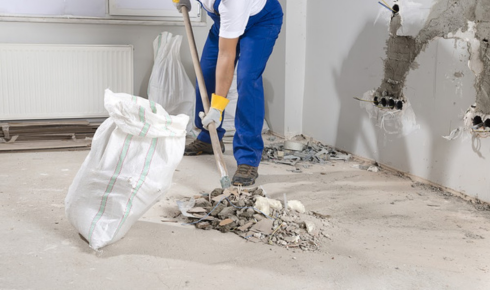
Construction projects bring exciting transformations, whether it is a home renovation, commercial build-out, roofing replacement, or large-scale development. However, every project also creates a significant amount of waste. From broken concrete and drywall to wood scraps and discarded materials, debris can quickly accumulate and create challenges for contractors, property owners, and project managers.
Effective Construction Debris Removal is not just about keeping a site clean. It plays a critical role in workplace safety, project efficiency, regulatory compliance, and environmental responsibility. As construction activity continues to grow across Arizona, having a dependable debris removal strategy is becoming an essential part of successful project management.
In this guide, we will explore why construction debris removal matters, the types of materials commonly generated on job sites, best practices for waste management, and how professional removal services help keep projects moving forward.
Why Construction Debris Removal Matters
Construction debris often appears harmless when viewed as a pile of leftover materials. In reality, unmanaged waste can create numerous risks and obstacles throughout a project.
A clean and organized worksite provides benefits that extend beyond appearance. Proper debris management helps:
- Reduce workplace accidents and injuries
- Improve productivity and workflow
- Minimize project delays
- Maintain compliance with local regulations
- Support sustainable waste disposal practices
- Create a more professional impression for clients and stakeholders
Whether the project involves residential remodeling or commercial construction, debris removal should be integrated into the planning process from day one.
Common Types of Construction Debris
Every construction project produces different forms of waste. Understanding the types of debris generated helps determine the most efficient removal and disposal strategy.
Wood Waste
Wood is one of the most common materials found on construction sites. Waste may include:
- Lumber offcuts
- Plywood scraps
- Framing materials
- Wooden pallets
- Demolition wood
Many wood products can be recycled or repurposed when separated properly.
Concrete and Masonry
Heavy materials such as concrete, brick, stone, and cinder blocks often result from demolition or renovation work.
These materials require specialized handling due to their weight and disposal requirements. Fortunately, many recycling facilities accept concrete for crushing and reuse in future construction applications.
Drywall and Plaster
Drywall scraps are frequently generated during remodeling and new construction projects. Improper disposal can take up significant landfill space, making recycling opportunities worth exploring whenever available.
Metal Materials
Construction projects often produce:
- Steel scraps
- Aluminum pieces
- Copper wiring
- Metal framing
- Roofing materials
Metal recycling remains one of the most effective ways to reduce construction waste while recovering valuable resources.
Roofing Debris
Roof replacement projects generate large amounts of waste, including:
- Asphalt shingles
- Underlayment materials
- Flashing
- Nails and fasteners
Timely removal is especially important to prevent safety hazards around residential and commercial properties.
Packaging Materials
Construction deliveries often arrive with extensive packaging materials such as:
- Cardboard
- Plastic wrap
- Foam inserts
- Shipping containers
Although these items may seem minor individually, they can accumulate quickly on busy job sites.
The Hidden Costs of Poor Debris Management
Many contractors focus heavily on labor, materials, and scheduling but underestimate the impact of waste accumulation.
Poor debris management can create several costly consequences.
Increased Safety Risks
Loose materials scattered across a worksite create trip hazards and increase the likelihood of injuries. Sharp objects, exposed nails, and unstable debris piles can pose serious risks to workers and visitors.
Reduced Productivity
Workers spend valuable time navigating cluttered areas, relocating waste, and working around obstacles. Even minor inefficiencies can add up over the course of a project.
Delayed Project Timelines
When debris overwhelms a site, construction activities may need to slow down or stop until cleanup occurs. Delays can affect subcontractors, inspections, and final project completion.
Potential Regulatory Issues
Local regulations often require proper handling and disposal of construction waste. Failure to comply can result in fines, project interruptions, or environmental concerns.
Best Practices for Construction Debris Removal
A proactive approach to waste management helps maintain efficiency from start to finish.
1. Develop a Waste Management Plan
Before construction begins, identify:
- Expected waste streams
- Disposal methods
- Recycling opportunities
- Collection schedules
Planning ahead reduces surprises and helps maintain site organization.
2. Designate Collection Areas
Clearly marked debris zones prevent waste from spreading throughout the worksite.
Strategically located collection points improve accessibility and encourage proper disposal habits among workers.
3. Separate Recyclable Materials
Sorting materials at the source can significantly improve recycling rates.
Common recyclable materials include:
- Metal
- Concrete
- Cardboard
- Wood
- Certain plastics
Proper segregation also reduces contamination and disposal costs.
4. Schedule Regular Removal Services
Waiting until debris becomes overwhelming often creates avoidable disruptions.
Routine pickups help maintain site cleanliness and allow crews to focus on construction activities rather than waste management.
5. Work With Experienced Professionals
Professional debris removal providers understand local disposal requirements, recycling opportunities, and logistics that help streamline cleanup efforts.
Environmental Benefits of Responsible Construction Debris Removal
Sustainability has become a growing priority within the construction industry.
Construction and demolition activities generate substantial amounts of waste each year. Diverting reusable materials from landfills contributes to resource conservation and environmental stewardship.
Reducing Landfill Dependence
Landfills face increasing pressure from growing waste volumes. Recycling and repurposing construction materials help reduce landfill demand while extending facility lifespan.
Conserving Natural Resources
Recovered materials can often be reintroduced into manufacturing and construction processes, reducing the need for virgin resources.
Examples include:
- Crushed concrete used as aggregate
- Recycled metal used in manufacturing
- Reclaimed wood utilized in new projects
Supporting Sustainable Building Practices
Many developers and contractors now prioritize sustainability goals. Responsible debris management aligns with green building initiatives and demonstrates environmental responsibility.
When to Hire Professional Construction Debris Removal Services
While some projects can handle basic cleanup internally, many situations benefit from professional assistance.
Consider hiring a professional debris removal company when:
- The project generates large volumes of waste
- Heavy materials require specialized handling
- Tight project timelines demand efficient cleanup
- Multiple waste streams need sorting and disposal
- Site safety is a major concern
- Regulatory compliance requirements are complex
Professional crews can often remove debris more efficiently than construction teams, allowing workers to remain focused on their primary responsibilities.
Construction Debris Removal for Residential Projects
Homeowners frequently underestimate the amount of waste generated during renovations.
Projects that commonly require debris removal include:
- Kitchen remodels
- Bathroom renovations
- Flooring replacements
- Roof replacements
- Garage conversions
- Whole-home remodeling
Professional removal services help homeowners avoid the hassle of multiple landfill trips and heavy lifting while maintaining a cleaner property throughout construction.
Construction Debris Removal for Commercial Projects
Commercial construction projects often involve larger volumes of waste and stricter timelines.
Examples include:
- Office renovations
- Retail build-outs
- Warehouse improvements
- Multi-family developments
- Industrial construction
Effective debris management helps maintain productivity and supports professional project execution from start to finish.
How Junk Rescue AZ Helps Keep Job Sites Clean
At Junk Rescue AZ, we understand that construction projects depend on efficiency, organization, and safety. Our team provides dependable Construction Debris Removal services designed to help contractors, property managers, builders, and homeowners maintain cleaner worksites throughout every phase of a project.
We handle a wide variety of construction-related materials and focus on responsible disposal practices whenever possible. By removing debris quickly and efficiently, we help clients reduce clutter, improve site safety, and keep projects moving forward.
Whether you are managing a small renovation or a large construction project, having a trusted debris removal partner can make a meaningful difference in your overall workflow and project success.
Final Thoughts
Construction waste is an unavoidable part of building, remodeling, and demolition projects. However, allowing debris to accumulate can create safety concerns, productivity challenges, and unnecessary delays.
A well-planned Construction Debris Removal strategy helps maintain organized job sites, supports environmental responsibility, and improves overall project efficiency. From sorting recyclable materials to scheduling regular pickups, every step contributes to a smoother construction process.
For contractors, developers, property owners, and homeowners alike, professional debris removal services provide a practical solution for managing waste while keeping projects on track. Investing in responsible debris management today creates safer worksites, better outcomes, and a cleaner future for everyone involved.