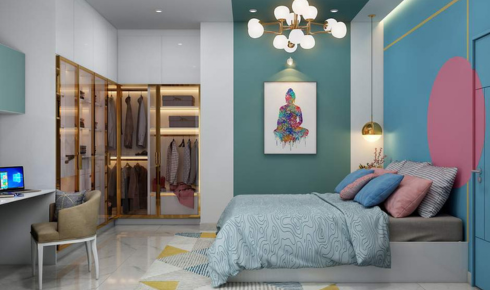
There’s something quietly powerful about walking into a space that just feels right. You know that feeling—the one where your shoulders drop, your mind slows down, and your breath finally catches up with you. That’s what a thoughtfully designed bedroom should do. It’s not about Pinterest-perfect pictures or over-the-top furniture; it’s about creating an atmosphere that whispers “rest.”
Designing a bedroom isn’t just about colors or layouts—it’s about how you want to feel when you wake up and when you lie down. Think of your bedroom as the one place where you can completely let go of the world’s noise. Every texture, every shade of light, every scent should echo that intention. When done right, bedroom design isn’t decoration; it’s therapy.
The Heartbeat of Your Space
A lot of people start with furniture, but that’s often backward. Start with mood. What’s your dream version of “peace”? Maybe it’s soft sunlight slipping through linen curtains, or maybe it’s the cozy darkness of a space cocooned in deep navy and wood. Your answers shape everything else—from the wall color to the placement of your reading chair.
Lighting, by the way, is the soul of a bedroom. Overhead lights can be harsh, so play with layers: warm bedside lamps, hidden LED strips under shelves, even candles if that’s your thing. The goal? You want to feel the light more than see it.
And don’t underestimate the floor. A soft rug underfoot can turn a plain room into something you look forward to stepping into. That little sigh of comfort when your toes touch the fabric—that’s design magic.
Bringing Personality Into Stillness
The trickiest part of bedroom decor is balance. You want personality without chaos, warmth without clutter. That’s where custom bedroom interior design becomes a bit of a game-changer. Instead of buying what’s trending, it’s about tailoring your space to your routines, your quirks, your version of comfort.
Do you journal before bed? Maybe a floating nightstand with a small drawer for your pen and notebook makes sense. Love waking up to plants? Position them where morning light kisses their leaves. Your habits become blueprints.
Textures are another subtle storyteller. A mix of cotton, linen, velvet, and wood adds tactile richness. Imagine a soft throw against a rough oak headboard or crisp sheets paired with a plush comforter. It’s contrast, but calm.
Even art in a bedroom should whisper, not shout. Go for pieces that make you feel something gentle—nostalgia, quiet curiosity, or simple happiness. A framed photograph, a calming landscape, or abstract art in soft tones can all pull a space together without overwhelming it.
The Hidden Power of Arrangement
You don’t need a big space to make a big difference. Even a small bedroom can radiate serenity if arranged thoughtfully. The key is openness—leave breathing space between furniture, and don’t overcrowd walls or corners. The mind mirrors the room’s rhythm; cluttered rooms tend to create cluttered thoughts.
The bed should naturally command the center—after all, it’s the soul of the room. Avoid placing it directly under a window or in line with the door if possible. These tiny details, often borrowed from feng shui principles, subconsciously create a sense of safety and grounding.
Storage, too, should be almost invisible. Slide drawers under the bed, opt for wardrobes that blend with wall tones, and use woven baskets instead of plastic bins. When storage blends in, your eyes rest easier.
Choosing the Right Colors for the Soul
Colors are emotional triggers. They don’t just fill a space—they shift your mood. Earthy neutrals, blush tones, soft greys, and muted blues often work beautifully for restful bedroom interiors. They’re like visual lullabies.
But don’t feel boxed in by trends. Some people unwind better in darker rooms, cocooned in deep forest greens or charcoal tones. Others find light and minimal spaces calming. What matters most is personal resonance. Ask yourself, “Would I want to fall asleep here every night?” If the answer isn’t a full-body yes, keep tweaking.
Natural elements, like wooden textures, woven baskets, or even a single indoor plant, can instantly soften the modern sharpness of a space. They remind your body of nature’s rhythm—a rhythm it’s biologically wired to find soothing.
A Room That Works for You
Your bedroom should evolve with your life. Maybe you start meditating, need more storage, or simply crave a new scent in the air. That’s the beauty of good design—it’s flexible. Small seasonal tweaks, like swapping bedding colors or adding a new throw, can completely refresh the room’s mood without a full makeover.
Scent and sound are underrated finishing touches. Lavender oil on the nightstand, a soft hum of white noise, or even a playlist of nature sounds—these sensory layers tie everything together. Design, at its core, should appeal to all your senses, not just your eyes.
And one last thing—technology. As tempting as it is to scroll under the covers, your phone doesn’t belong in your sanctuary. A true bedroom retreat feels timeless, disconnected from the buzz of the outside world. Keep it analog: a book, a notepad, maybe an old alarm clock.
The Quiet Ending
The perfect bedroom isn’t about perfection at all. It’s about creating a personal refuge that feels honest, like it belongs to you and no one else. There’s an intimacy in every fold of a blanket, every flicker of candlelight, every sigh that escapes after a long day.
When you walk in, the room should say, “You’re home.”
And when you lie down, the silence should feel like an embrace.
That’s not decoration. That’s sanctuary.