Water quality has a funny way of becoming noticeable at the worst possible time. Maybe you’re cleaning the bathroom and realize the faucet is covered in white mineral spots again. Or perhaps the showerhead has slowly collected buildup, the dishes look cloudy, and soap doesn’t seem to rinse quite the way it should.
For many homeowners, these little frustrations can point toward hard water. It isn’t always something dramatic, and it doesn’t necessarily mean the water is unsafe. But when mineral-rich water becomes part of your daily routine, it can affect cleaning, plumbing fixtures, and water-using appliances in ways that are hard to ignore.
The good news is that understanding the problem is often the first step toward making it easier to manage.
What Exactly Is Hard Water?
Hard water contains dissolved minerals, particularly calcium and magnesium. As water moves through natural underground formations, it can pick up these minerals before entering a home’s plumbing system.
You generally can’t identify hardness just by looking at a glass of water. That’s part of what makes it tricky. The signs tend to show up on surfaces and equipment instead.
Mineral deposits around faucets, spots on glassware, scale inside appliances, and difficulty getting soap to lather are all common reasons homeowners begin looking into water treatment.
Why Local Water Conditions Matter
Water conditions aren’t identical in every community or every home. The source of the water, local geology, plumbing, household usage, and other factors can all influence what homeowners experience.
That’s why water softening services in Dade City should ideally begin with understanding the property’s specific water rather than immediately recommending a particular piece of equipment.
A water test can provide a useful starting point. It can help determine the level of hardness and whether other water-quality characteristics deserve attention. From there, treatment can be selected based on actual needs.
It sounds obvious, but it’s an important distinction: treat the water you have, not the water you assume you have.
The Everyday Effects of Hard Water
Hard water can turn simple cleaning tasks into recurring chores.
Soap and detergent don’t always perform as effectively in hard water because the minerals can interfere with their ability to lather and rinse cleanly. Homeowners may find themselves using more cleaning products without getting noticeably better results.
Then there’s scale.
That familiar white or chalky residue can appear on faucets, shower doors, sinks, and other surfaces. Once it builds up, removing it can take time and plenty of elbow grease.
Nobody wants their Saturday morning to become a battle against a shower door.
How Water Softening Can Help
A conventional water softener is designed to reduce hardness minerals in household water. Most traditional systems use an ion-exchange process, where calcium and magnesium are exchanged for sodium or potassium ions.
The softened water can then flow through the home’s plumbing.
For many homeowners, the benefits are practical rather than flashy. There may be less mineral buildup, easier cleaning, better soap performance, and fewer deposits on fixtures.
When comparing Dade City water softeners, it’s worth looking at more than the initial price tag. System capacity, regeneration, salt usage, maintenance requirements, warranty coverage, and installation should all be part of the conversation.
Start With a Water Test
A water test can save homeowners from making an expensive guess.
Suppose you’re experiencing spots on your dishes and assuming hard water is responsible. Testing may confirm that hardness is high, or it may point toward another factor. Either way, you gain useful information.
Testing can also help determine whether a softener is actually the appropriate solution. Water softeners are primarily intended for hardness. They aren’t designed to remove every possible contaminant or solve every taste and odor concern.
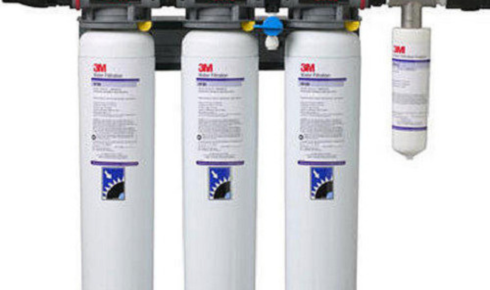
If filtration is needed as well, knowing the water conditions beforehand makes it easier to choose a suitable approach.
Choosing the Right Size System
Bigger isn’t automatically better when it comes to water treatment equipment.
A system should be sized according to factors such as household water consumption and water hardness. A home with two residents may have very different requirements from a larger family with several bathrooms and heavy daily water usage.
An appropriately sized system can operate more efficiently and provide consistent treatment without unnecessary capacity.
When speaking with a professional, ask how they determined the recommended size. A good explanation should be based on measurable factors, not simply “this is the system we usually install.”
Installation Deserves Attention Too
A water softener needs to be integrated properly into the home’s plumbing. Depending on the equipment, installation can involve water connections, drainage, bypass controls, electrical requirements, and careful placement.
Correct installation helps the system operate as intended and makes future maintenance easier.
It also gives homeowners a chance to learn the basics. You should understand how the system operates, what routine checks are needed, and what signs might indicate that something isn’t working properly.
That knowledge is useful. Even the best equipment needs someone paying attention to it now and then.
What About Maintenance?
Water softeners are not completely “set it and forget it” appliances.
Traditional systems may require regular salt replenishment, while other equipment can have different maintenance requirements. Homeowners should follow the manufacturer’s instructions and keep an eye on system performance.
If mineral deposits begin returning, water pressure changes, or the equipment starts behaving unusually, it’s worth investigating.
Sometimes the problem is minor. A setting may need adjustment, or routine maintenance may have been overlooked. Catching these things early is usually much easier than waiting for a complete system failure.
Understanding Your Options Before You Commit
Homeowners have plenty of water treatment choices, which can be both helpful and confusing. There are traditional softeners, alternative conditioning technologies, filtration systems, and combination setups.
The right choice depends on the actual water and what you want to accomplish.
If hardness is the main issue, softening may be a sensible solution. If several water-quality concerns exist, a broader treatment strategy may be necessary.
For anyone looking to soften your water in Dade City, taking time to compare options can help prevent unnecessary spending. Ask what the equipment is designed to address, what it requires to operate, and what ongoing costs should be expected.
Don’t Ignore the Small Signs
Hard water rarely feels like an emergency. That’s why it’s easy to put off dealing with it.
But small problems can become persistent ones. Mineral buildup doesn’t usually disappear on its own, and appliances exposed to hard water may require more attention over time.
You don’t have to panic when you notice a little scale around the faucet. Instead, use it as a reason to investigate. A water test and a conversation with a knowledgeable professional can tell you much more than guessing from a few spots on the sink.
Better Water Starts With a Better Understanding
Improving household water quality doesn’t have to involve complicated decisions. Start with the basics: understand your water, identify the problem, and choose treatment equipment that matches your household.
For Dade City homeowners, reducing excessive hardness can make ordinary routines feel a little easier. Less scale means less scrubbing. Better soap performance can make cleaning less frustrating. And taking care of the water entering your home can help you stay ahead of avoidable maintenance issues.
The best solution isn’t necessarily the most expensive one. It’s the one that addresses the problem you actually have, fits your household, and can be maintained without becoming another chore.
Sometimes better water is less about chasing perfection and more about making everyday life just a little simpler.