Water is one of those everyday things we tend to take for granted. You fill a glass, make coffee, cook dinner, and move on. Then maybe the tap water starts tasting a little strange, the ice looks cloudy, or you notice mineral buildup around the kitchen faucet. Suddenly, something that seemed completely ordinary becomes worth investigating.
The good news is that improving household water doesn’t have to mean turning your kitchen into a science lab. A little testing, the right equipment, and some regular maintenance can go a surprisingly long way.
Start With the Water You Already Have
Before choosing a filtration system, it’s worth understanding your current water quality. Municipal water and private well water can have very different characteristics, while plumbing and local conditions can also influence what reaches your tap.
Pay attention to changes in taste, smell, color, or visible sediment. These signs don’t always tell you exactly what’s happening, but they can be useful clues.
Water testing is especially helpful when you’re considering a new treatment system. Instead of buying equipment based on a neighbor’s experience or a flashy advertisement, you’ll have actual information to work with.
Why Bottled Water Isn’t Always the Easiest Answer
Bottled water can be convenient, especially when you’re away from home. But relying on cases of bottled water every week can become expensive and inconvenient. There are bottles to store, carry, recycle, and replace.
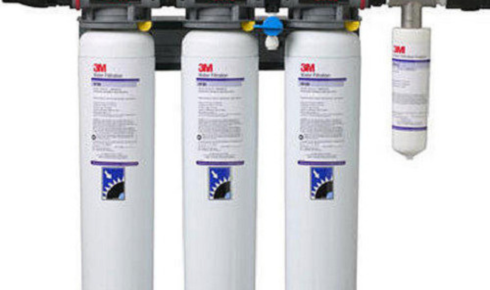
For offices, homes, and other spaces where people regularly need chilled drinking water, bottleless water dispensers & coolers can offer a practical alternative. These systems connect to a water supply and use filtration to provide drinking water without the constant need to purchase and store individual bottles.
It’s a simple idea, really. Instead of bringing the water to your home in bottles, you treat the water where you use it.
Understanding PFAS Concerns
Water quality discussions have also increasingly included PFAS, a broad group of manufactured chemicals that have been used in numerous industrial and consumer applications.
The phrase PFAS contamination can sound alarming, but homeowners shouldn’t make assumptions based on headlines alone. If there is reason to suspect PFAS in a local water supply or private well, appropriate testing is the sensible first step.
Treatment for PFAS is also technology-specific. Not every household filter is designed or certified to reduce PFAS, so homeowners should carefully check performance claims and certification information before choosing equipment.
More Filtration Isn’t Automatically Better
It can be tempting to think that the more stages a filter has, the better the water must be. That’s not necessarily true.
Different filtration technologies target different water-quality concerns. Carbon filtration can help with taste and chlorine, sediment filters can capture physical particles, and reverse osmosis can provide more extensive treatment for certain dissolved substances.
The goal should be appropriate filtration, not maximum filtration for its own sake.
A system that is too complicated for your needs can create unnecessary replacement costs and maintenance. Sometimes a straightforward solution is the better one.
What Does “Most Filtered Water Possible” Really Mean?
People sometimes search for the most filtered water possible, but that phrase can be misleading. Water isn’t automatically better simply because more substances have been removed.
For drinking water, the ideal treatment depends on the source water and what you want to address. Removing everything isn’t always the objective. Instead, homeowners should look for a system designed to reduce the specific contaminants or characteristics identified through testing.
This is why certification and performance data matter. A reputable filtration system should clearly explain what it is designed to reduce and under what conditions.
Consider the Way Your Household Uses Water
Think about your normal day.
Maybe everyone fills a reusable bottle before leaving for work or school. Perhaps you cook several meals at home, use a coffee machine every morning, or have children constantly asking for cold water from the refrigerator.
These habits matter when choosing equipment.
A point-of-use drinking-water system may be perfectly adequate for one household. Another family may prefer a combination of whole-home treatment and dedicated drinking-water filtration. The right setup should make daily life easier, not create another chore.
Maintenance Is Easy to Forget
Water filtration equipment generally works quietly in the background, which is both its greatest convenience and its biggest maintenance trap.
Filters need to be replaced. Some systems require sanitizing or periodic servicing. If replacement schedules are ignored, performance can gradually decline.
Set reminders on your phone or calendar. Keep track of the filter model and replacement date. And if the water suddenly tastes different or the flow becomes weaker, take a moment to investigate.
A little maintenance now is usually much easier than dealing with an avoidable equipment problem later.
Don’t Let Marketing Make the Decision
Water treatment companies often use impressive language to describe their products. That’s normal, but homeowners should still look past the sales pitch.
Ask practical questions. What exactly does the system reduce? Is it independently certified? How often are filters replaced? What does maintenance cost? Does the system waste water? How long is the equipment expected to last?
The answers can tell you much more than a slogan ever will.
Better Water Is About Making an Informed Choice
There isn’t one perfect water system for every home. What works beautifully for a household with hard municipal water may be completely unnecessary for someone with a different water source.
Start with testing. Understand your water. Identify the concerns that actually matter to your household. Then choose technology that addresses those concerns without adding unnecessary complexity.
Whether you’re tired of buying bottled water, concerned about emerging contaminants, or simply want better-tasting water at the kitchen sink, the smartest approach is a thoughtful one.
Water is something your family uses constantly. You don’t need to obsess over it, but you shouldn’t have to ignore it either. With the right information and a sensible filtration strategy, better drinking water can become a normal part of everyday life — simple, convenient, and one less thing to worry about.