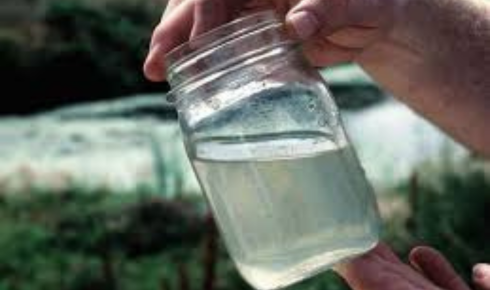
It’s funny how something so essential becomes so invisible. You wake up, fill a glass, maybe don’t even look at it before taking a sip. Water is just… there. Reliable, routine, almost taken for granted.
But every now and then, something nudges you. A slight change in taste. A news story about local supply issues. Or just a quiet thought—is this really as safe as I assume?
It’s not paranoia. It’s curiosity. And honestly, it’s a healthy one.
The Comfort We Build Around Water
Most of us grow up trusting the water that comes out of our taps. It’s treated, monitored, regulated. And for the most part, that trust is well deserved.
But here’s the thing—water isn’t static. It moves. It travels. It interacts with pipes, storage systems, and environmental factors before it reaches your home. Along the way, small changes can happen.
That’s where the idea of drinking water safety becomes more than just a technical phrase. It’s about understanding that water can be safe overall, but still vary slightly depending on circumstances.
And those variations, while often minor, are worth paying attention to.
When Subtle Changes Start to Show
You probably won’t notice a major issue overnight. That’s not how it usually works. Instead, it’s small shifts—a faint smell, a slightly off taste, maybe even a temporary discoloration.
These are the moments that hint at underlying water quality issues. Not always serious, not always long-lasting, but enough to make you pause.
And that pause matters.
Because once you start noticing, you begin to understand that water isn’t just a constant—it’s something that can change, even if only briefly.
The Part We Can’t See
What makes water tricky is how much of it is invisible. You can’t see most impurities. You can’t smell or taste everything that might be present.
And sometimes, that includes bacteria problems, which can arise under certain conditions—like after heavy rains, pipe disturbances, or lapses in treatment systems.
Now, this isn’t something happening all the time. In fact, in most regulated systems, it’s rare. But it’s also part of why monitoring, testing, and occasional advisories exist.
It’s not about fear—it’s about understanding how the system works.
Why Awareness Matters More Than Alarm
There’s a balance here that’s easy to miss. On one hand, you don’t want to overthink every glass of water. On the other, blind trust isn’t always the best approach either.
Awareness sits comfortably in the middle.
It means knowing where your water comes from. Paying attention to local updates. Noticing when something feels different, even if you can’t immediately explain it.
And most importantly, it means responding calmly instead of reacting emotionally.
Simple Habits That Build Confidence
You don’t need to overhaul your life to feel confident about your water. Often, it’s the small habits that make the biggest difference.
Letting water run for a few seconds if it’s been sitting in pipes. Staying updated on local water reports. Using filtration if it adds peace of mind.
These aren’t complicated steps. They’re just practical ways to stay connected to something you use every day.
And over time, they build a sense of control—without adding stress.
Water as Part of Your Daily Rhythm
Think about how often you interact with water. Drinking, cooking, cleaning—it’s woven into nearly every part of your day.
When something is that constant, it deserves a bit of attention. Not obsession, just awareness.
Because the goal isn’t to question every drop. It’s to feel comfortable with what you’re using, to understand it just enough that you trust it for the right reasons.
A Quiet Shift in Perspective
Looking back, it’s easy to see how water becomes background noise. You don’t think about it because you don’t have to.
But taking a moment to understand it—to notice the small details, the occasional changes—adds a layer of clarity to something so essential.
And that clarity doesn’t make life more complicated. It makes it simpler.
Because instead of wondering, you know. Instead of assuming, you understand.
And that’s a quiet kind of confidence—the kind that fits perfectly into your daily routine, without ever demanding attention.