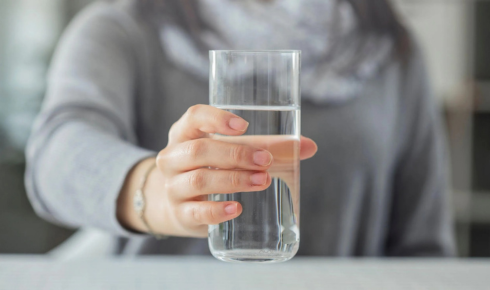
There’s something oddly comforting about a glass of water. It’s simple, familiar, and—most of the time—taken for granted. You don’t analyze it the way you might a meal or a product label. You just trust it.
But every now and then, something feels slightly off. The taste is a bit flat, or maybe a little too mineral-heavy. You can’t quite put your finger on it, but it lingers.
And that’s usually where curiosity begins. Not out of worry, just a quiet interest in understanding what’s actually flowing through your tap every day.
Why Water Isn’t as Simple as It Looks
Water looks clean, and in many cases, it is. But what you don’t see matters just as much as what you do.
Tiny dissolved substances—minerals, salts, trace elements—are part of most water supplies. They’re invisible, but they influence how water tastes, feels, and behaves in your home.
That’s where the idea of TDS, or Total Dissolved Solids, comes into play. It sounds technical, but really, it’s just a way of measuring what’s dissolved in your water.
Think of it as a quiet background detail—one that doesn’t demand attention but still shapes your experience.
Why TDS Matters More Than You Expect
Most people don’t think about TDS until they notice something unusual. Maybe their water tastes different after moving to a new area. Or their kettle starts building up residue faster than expected.
That’s when they realize TDS isn’t just a number—it’s a reflection of what’s in their water.
Understanding how to manage TDS levels isn’t about chasing perfection. It’s about finding a balance that works for your preferences and your home.
Lower TDS water often feels lighter and cleaner, while higher levels can introduce more noticeable mineral notes. Neither is inherently “bad”—it just depends on what you’re comfortable with.
And once you start paying attention, you begin to notice those differences more clearly.
Taste, Texture, and the Small Details
Water has a personality, in a way. It’s subtle, but it’s there.
Some water feels crisp and refreshing. Other types feel heavier, almost like they linger on your tongue. These differences often come down to dissolved solids and how they interact with your senses.
Improving better drinking water quality isn’t always about removing everything. In fact, completely pure water can taste oddly flat. What most people prefer is a balanced profile—clean, but not empty.
That balance affects more than just drinking. It influences how your coffee tastes, how your tea brews, even how your food turns out.
It’s a small detail, but it shows up in places you might not expect.
Looking at TDS as a Guide, Not a Rule
One of the most helpful ways to think about TDS is as an educational water metric. It’s not a strict standard or a final judgment—it’s a tool for understanding.
A TDS reading gives you a snapshot, a quick glimpse into your water’s composition. But it doesn’t tell you everything.
Two water samples can have the same TDS level but completely different characteristics. One might contain beneficial minerals, while another might include elements that affect taste or usability.
So instead of treating TDS as a pass-or-fail test, it’s better to see it as a starting point—a way to ask better questions about your water.
When Should You Pay Attention?
Not everyone needs to monitor TDS regularly. For many households, water quality remains consistent enough that it doesn’t require constant attention.
But there are moments when it’s worth taking a closer look.
If your water tastes noticeably different, if your appliances are showing signs of buildup, or if you’re simply curious about what you’re consuming—those are all good reasons to explore further.
It’s not about creating concern. It’s about gaining a bit more clarity.
And sometimes, that clarity leads to small adjustments that make a meaningful difference.
Finding What Works Without Overthinking It
One of the biggest challenges with water quality is the tendency to overcomplicate it.
There’s a lot of information out there, and it’s easy to get caught up in numbers, technologies, and endless options.
But the truth is, improving your water doesn’t have to be overwhelming.
Start with understanding. Pay attention to how your water tastes, how it feels, how it interacts with your home. From there, any changes you make will feel more intentional, more aligned with your needs.
It’s not about doing everything—it’s about doing what makes sense.
The Subtle Benefits That Stay With You
What’s interesting about improving water quality is how quickly it becomes part of your routine.
At first, you notice the changes. The taste feels cleaner, the texture feels lighter. But after a while, it just becomes normal.
And that’s when you realize how much it matters.
You’re not adjusting to your water anymore. You’re just using it—comfortably, confidently, without second-guessing.
A Small Shift That Feels Bigger Over Time
Water might seem like a simple part of your home, but it plays a bigger role than we often realize.
It’s in every meal, every drink, every daily routine. And when it feels right—when it matches your expectations and preferences—it quietly improves everything around it.
Understanding TDS and water quality isn’t about becoming an expert. It’s about becoming aware.
Because once you understand even a little more about what’s in your water, you start making choices that feel more informed, more thoughtful.