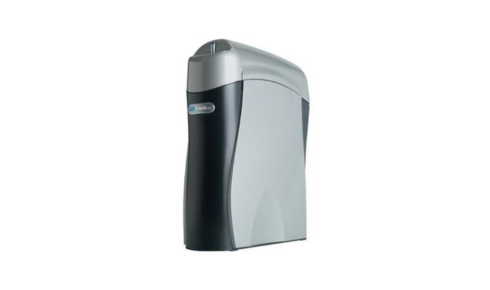
Most people don’t start shopping for a drinking water system because they love gadgets. They start because something feels off. The water tastes a little sharp. Bottled water keeps piling up in the garage. Coffee never tastes quite the same at home as it does elsewhere. None of this feels urgent, but it nags at you in quiet ways.
Eventually, curiosity turns into research. And that’s usually when one big question shows up early and sticks around: Is this actually worth the money?
The price question no one likes to avoid
When homeowners begin comparing premium drinking water systems, cost becomes part of the conversation whether we want it to or not. You’ll see ranges, estimates, opinions, and the occasional horror story. But price without context doesn’t tell you much.
Looking at kinetico k5 price figures only makes sense when you understand what’s behind them. This isn’t a simple pitcher filter or a single-stage unit. You’re paying for consistency, longevity, and a system designed to work quietly for years without electricity or constant babysitting.
Once you stop thinking in terms of upfront cost and start thinking in terms of daily use, the conversation changes.
Drinking water is a daily relationship
Most home upgrades are occasional experiences. You notice a new appliance, then it fades into the background. Drinking water is different. You interact with it every single day. Multiple times a day. It goes into your body, your food, your family’s routines.
That’s why systems built around k5 reverse osmosis appeal to homeowners who care less about trends and more about reliability. Reverse osmosis, done well, isn’t about stripping water into something lifeless. It’s about removing what doesn’t belong while keeping water neutral and predictable.
Good RO water doesn’t shout. It just works.
Why some systems cost more—and last longer
Cheaper systems often rely on electricity, timers, or minimal filtration stages. They might perform well at first, but consistency can drift. Filters clog faster. Performance changes based on water pressure or usage patterns.
Higher-end systems tend to be engineered differently. They respond to actual water demand instead of running on schedules. They’re built with durability in mind, not just short-term performance. That design philosophy shows up over time, not just on day one.
You don’t pay more to be impressed. You pay more to stop thinking about it altogether.
The hidden cost of “cheap enough”
Many homeowners underestimate how much they already spend compensating for water they don’t love. Bottled water. Replacement filters. Pitchers that crack or clog. Time spent refilling, rotating, remembering.
These costs rarely feel connected because they’re spread out. But add them up over a few years, and the gap between a budget solution and a premium one narrows fast.
That’s before you even factor in convenience, which is harder to price but easier to feel.
What consistency actually buys you
One of the most underrated benefits of a high-quality drinking water system is consistency. The water tastes the same in January as it does in August. It doesn’t change after heavy rain. It doesn’t surprise you after plumbing work.
With kinetico k5 reverse osmosis, that consistency is part of the appeal. No electricity means fewer variables. No storage tank cycling unpredictably. Just steady performance tied to real usage.
When water becomes predictable, trust follows naturally.
Taste is subjective, but habits aren’t
Taste is personal. Some people are more sensitive than others. But habits tell the real story. When water tastes good, people drink more of it without trying. Bottled water purchases quietly disappear. Kids stop asking for flavored drinks as often.
These shifts don’t happen because someone made a rule. They happen because the barrier is gone. Water becomes the easy choice instead of something you work around.
That’s not marketing. That’s human behavior.
Installation and support matter more than specs
Another thing people overlook when comparing systems is support. Installation quality, follow-up service, and filter replacement guidance all affect long-term satisfaction.
Premium systems are often paired with better local support, not because they have to be, but because the brand expects long-term ownership. That relationship matters. When questions come up—and they always do—you want answers that feel informed, not scripted.
This is one of those details that doesn’t show up in a spec sheet but makes a big difference over time.
Avoiding the “too much purification” trap
There’s a myth that the best water is the most aggressively filtered water possible. In reality, over-processing can leave water tasting flat or unnatural. The goal isn’t purity for purity’s sake. It’s balance.
Good RO systems are designed to remove unwanted contaminants without turning water into something sterile and lifeless. When done right, the result feels clean but still familiar. Water tastes like water, just better.
And that’s what people actually want.
Long-term thinking feels different after year one
The first few weeks with a new system are noticeable. You pay attention. You taste-test. You compare. But after a few months, something shifts. You stop thinking about it.
That’s when value becomes clear. Not when you’re excited, but when you’re indifferent. When filling a glass feels automatic again. When you forget the last time you bought bottled water. When guests comment on the taste and you shrug because it feels normal now.
Normal, in this case, is the win.
So is it “worth it”?
That depends on how you define worth. If you’re measuring by upfront cost alone, premium systems will always seem expensive. If you measure by daily use, reduced friction, fewer workarounds, and long-term reliability, the math starts to look different.
Drinking water is one of the few things in your home you interact with constantly. Improving it doesn’t just change one habit—it quietly reshapes many of them.
A thoughtful ending, because water deserves one
Choosing a drinking water system isn’t about chasing the highest price or the longest feature list. It’s about deciding what kind of experience you want every day. Convenience or compensation. Consistency or uncertainty.
When water tastes right and behaves predictably, you stop thinking about it. And when you stop thinking about it, you realize something important: the best upgrades aren’t the ones you notice forever. They’re the ones that quietly disappear into daily life.
Sometimes, that’s the clearest sign you made the right choice.