There’s something strangely comforting about pouring a glass of water straight from the tap. It feels simple, routine — almost automatic. You don’t usually stop to think about the journey that water took before reaching your kitchen sink. Pipes underground, treatment plants miles away, aging infrastructure you’ll never see. It’s a system we trust without really questioning.
But in recent years, that quiet trust has started to shift. Not dramatically, not all at once — just gradually. People notice the faint chlorine smell. A slightly metallic taste. Maybe a news story about contaminants in municipal water supplies. Suddenly, that ordinary glass of water doesn’t feel quite so ordinary anymore.
And that’s where home filtration systems have stepped into the spotlight, offering something surprisingly powerful: peace of mind.
The Hidden Complexity of Tap Water
Tap water isn’t inherently unsafe. In most developed regions, it meets regulatory standards designed to protect public health. But “meeting standards” doesn’t always mean water is completely free from impurities.
Municipal treatment focuses on eliminating harmful bacteria and pathogens. That’s crucial, of course. Yet during treatment, chemicals like chlorine or chloramine are added to maintain disinfection as water travels through distribution systems.
Over time, water may also pick up trace contaminants from aging pipes, industrial runoff, or environmental exposure. These are usually present at low levels, but many households prefer an extra layer of protection — just to be safe.
It’s not about fear. It’s about control.
A Quiet Revolution in Home Water Filtration
Among the many filtration methods available today, reverse osmosis has become one of the most widely trusted technologies. It works differently from standard filters that rely only on carbon or physical barriers.
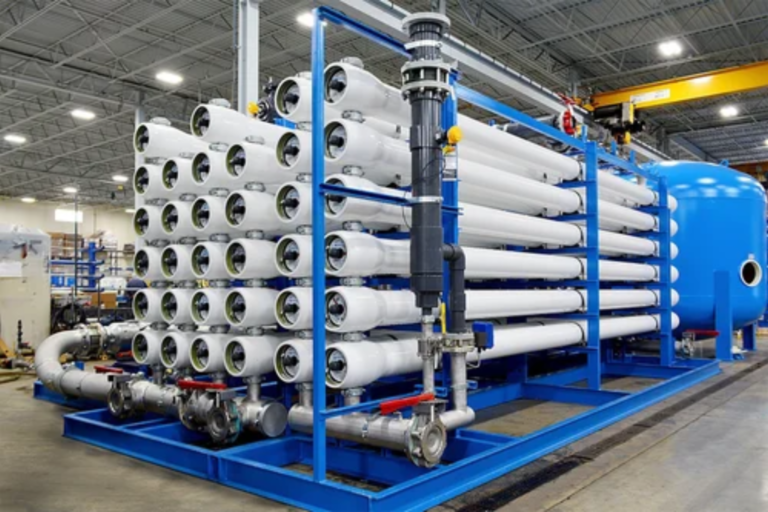
A reverse osmosis system pushes water through a semi-permeable membrane designed to block extremely small particles — including dissolved salts, heavy metals, and microscopic contaminants. The result is water that’s been filtered at a molecular level.
It’s fascinating when you think about it. The same principle originally developed for desalination and industrial purification is now being used in everyday kitchens.
And despite sounding technical, the experience itself feels surprisingly simple. Turn on the tap, fill a glass, drink. That’s it.
Why Certification Matters More Than Marketing
Walk into any home improvement store or browse online, and you’ll see dozens of filtration products claiming to remove “99% of contaminants.” The numbers sound impressive, but they don’t always tell the full story.
That’s where certification standards come into play.
An NSF certified RO system has been independently tested to verify that it performs exactly as advertised. Certification organizations evaluate filters for contaminant reduction, material safety, and long-term reliability.
For homeowners, this matters because it eliminates guesswork. You’re not just trusting marketing claims — you’re relying on validated performance data.
In a market filled with bold promises, certification acts like a quiet voice of reassurance.
Taste, Smell, and the Subtle Psychology of Water
One of the most immediate benefits people notice after installing advanced filtration isn’t something measured in lab reports — it’s taste.
Water simply feels different. Smoother. Cleaner. More neutral.
It’s subtle, but it changes behavior in unexpected ways. Many people report drinking more water after switching to filtered systems because the experience becomes more enjoyable.
And that has real health implications.
When water tastes better, people naturally choose it over sugary beverages or processed drinks. Over time, that small shift can support better hydration, improved digestion, and overall wellness.
Sometimes the biggest health benefits come from the smallest daily habits.
The Environmental Impact Few People Talk About
Another interesting effect of home filtration is its impact on plastic waste. Bottled water consumption has grown dramatically over the past few decades, creating environmental challenges tied to production, transportation, and disposal.
High-quality drinking water purification systems offer a long-term alternative. Instead of purchasing single-use bottles, households can rely on filtered tap water for daily consumption.
It’s not just about convenience — it’s about sustainability.
Reducing reliance on bottled water helps cut down plastic waste, lowers transportation emissions, and minimizes environmental strain. It’s a small decision that adds up over time.
Maintenance: The Part That’s Less Exciting but Just as Important
Of course, no filtration system is completely maintenance-free. Filters eventually reach capacity and need replacement to maintain performance.
Thankfully, modern systems are designed with user convenience in mind. Many include indicator lights, quick-change cartridges, and clear maintenance schedules.
Most households find the routine surprisingly manageable. Replace filters periodically, flush the system when needed, and that’s about it.
It’s a modest commitment in exchange for consistent water quality.
Trust, Control, and Everyday Confidence
At its core, the appeal of home filtration isn’t purely technical. It’s emotional.
People want to feel confident about what they consume. They want to know that the water they give their children, use for cooking, or drink after a long day is as clean as possible.
There’s something deeply reassuring about having that level of control within your own home.
It transforms water from an invisible utility into something tangible — something you can trust without hesitation.
A Quiet Shift Toward Better Water Habits
As awareness grows around water quality, more households are rethinking how they approach something that once seemed automatic.
They’re reading labels more carefully. Learning about filtration technologies. Asking questions they never considered before.
This shift isn’t driven by panic or urgency. It’s driven by knowledge.
And perhaps that’s what makes it so meaningful. It reflects a broader trend toward mindful living — making small, informed choices that improve daily life in simple but lasting ways.
Because at the end of the day, water isn’t just another household resource.
It’s something we interact with every single day. Something our bodies depend on constantly. Something that quietly supports every aspect of health.
And ensuring its quality might just be one of the most practical, quietly powerful decisions a homeowner can make.