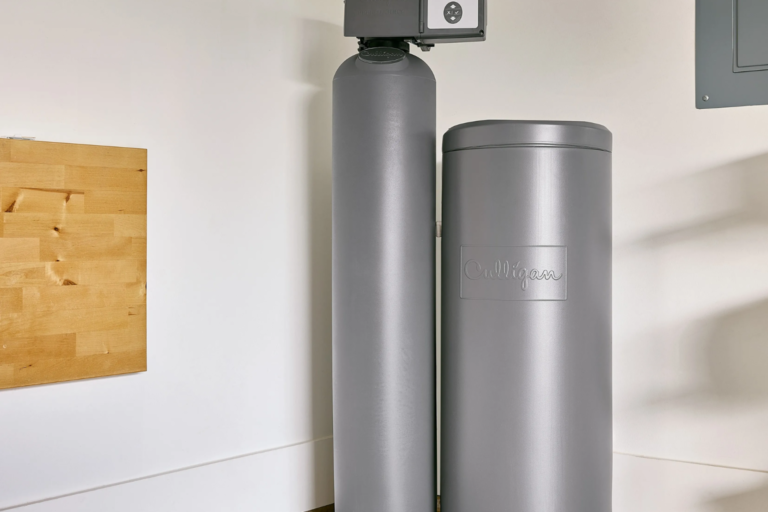
There’s a funny thing about home improvements — most of us get excited about the visible results. The shiny new appliance, the modern fixture, the freshly installed system that suddenly makes life easier. But what we rarely think about is everything that happens before that final moment.
Behind every smooth-running system, there’s usually a careful process: planning, choosing the right solution, and making sure it’s installed correctly. It’s not glamorous work, but honestly, it’s where the real difference is made.
Because when it comes to home upgrades, especially those involving water, energy, or infrastructure, the setup often determines whether the improvement lasts for years or becomes a constant headache.
Why Installation Isn’t Just a Technical Step
It’s easy to assume installation is simply a mechanical process — connect this, tighten that, turn it on, and you’re done. But in reality, it’s far more nuanced than that.
Every home has its own quirks. Plumbing layouts vary. Water pressure levels differ. Even the age of pipes can influence how a system performs once it’s in place.
This is why many homeowners find that investing in professional installation saves them from long-term problems. Skilled technicians don’t just install equipment — they evaluate the environment, adjust configurations, and ensure the system works in harmony with the home’s existing infrastructure.
That attention to detail often prevents issues like leaks, uneven performance, or premature wear.
The Shift Toward Customization
Years ago, home systems were mostly one-size-fits-all. If you wanted an upgrade, you picked from a limited range of models and hoped one would work well enough.
Today, the landscape looks completely different.
Homeowners now have access to expanded options that allow systems to be tailored to specific needs. Whether it’s adjusting capacity levels, choosing smart monitoring features, or selecting designs suited for compact spaces, customization has become the norm rather than the exception.
This flexibility means people no longer have to compromise between performance and practicality. Instead, they can choose solutions that align closely with how they actually live.
For example, a large family might prioritize high-capacity performance, while a smaller household may focus on efficiency and space-saving designs.
The Quiet Importance of Safety Standards
When upgrading any home system, safety is often discussed but rarely deeply understood.
Most people assume that if a product is available on the market, it must automatically meet safety requirements. And while that’s generally true, there’s a big difference between meeting basic standards and achieving certified safety levels verified by independent organizations.
Certification ensures that equipment has been rigorously tested for durability, material quality, and operational reliability. It also provides peace of mind — something that becomes especially important when systems operate daily and directly impact household routines.
Knowing that a system meets strict safety benchmarks means homeowners can rely on it without constant worry.
The Human Side of Home Improvements
What’s often overlooked in discussions about upgrades is the emotional aspect.
Improving a home isn’t just about functionality. It’s about comfort. It’s about feeling confident that everything works smoothly behind the scenes.
There’s a certain satisfaction in knowing that the systems you depend on — whether for water, energy, or climate control — have been installed thoughtfully and designed to last.
It reduces stress in subtle ways. You don’t have to think twice before using appliances or worry about unexpected breakdowns.
Instead, you simply trust that everything will work as it should.
Long-Term Value Beyond the Initial Investment
Many homeowners initially focus on upfront costs when considering upgrades. It’s understandable — budgeting plays a big role in decision-making.
But over time, the true value of a well-installed, properly selected system becomes clear.
Systems that are matched to a home’s specific conditions tend to operate more efficiently. They require fewer repairs, consume less energy, and maintain consistent performance.
In contrast, poorly matched or incorrectly installed solutions often lead to repeated maintenance expenses, reduced lifespan, and ongoing frustration.
So while the initial investment may seem higher, the long-term savings — both financial and practical — often make it worthwhile.
Adapting to Changing Household Needs
Another reason customization and proper setup matter is that homes evolve over time.
Families grow. Lifestyles shift. Technology advances.
Having a system that was installed thoughtfully, with flexibility in mind, makes it easier to adapt when circumstances change.
For instance, systems designed with modular components can often be upgraded rather than replaced entirely. This reduces waste and makes future improvements more cost-effective.
It’s a forward-thinking approach that aligns with modern sustainability goals.
Building Confidence Through Expertise
One of the biggest benefits of working with skilled professionals is the confidence they bring to the process.
They don’t just provide technical services — they offer guidance. They help homeowners understand what options are available, what solutions are most suitable, and what to expect over time.
That knowledge empowers homeowners to make informed decisions rather than relying solely on marketing claims or guesswork.
It transforms the upgrade process into a collaborative experience rather than a stressful one.
A Thoughtful Approach Makes All the Difference
In the end, successful home improvements aren’t defined by flashy features or trendy designs.
They’re defined by how well they integrate into everyday life.
When systems are installed carefully, chosen thoughtfully, and built to meet reliable safety standards, they fade into the background — quietly supporting daily routines without demanding attention.
And perhaps that’s the ultimate goal.
Because the best upgrades are the ones you don’t have to think about. They simply work, day after day, making life a little smoother, a little more comfortable, and a lot more dependable.