There are certain comforts we don’t fully appreciate until they disappear. Hot water is high on that list. You wake up groggy, step into the shower, turn the handle—and instead of warmth, you get a sharp reminder that something in your home isn’t quite right. In that moment, it’s not just water you’re missing. It’s routine, calm, and a sense that the day will unfold as expected.
Water heaters are strange like that. They’re essential, but invisible. Tucked away in garages, basements, or utility closets, they quietly support daily life without asking for attention. Until they do.
Most people don’t think about their water heater until it starts making noise, taking longer to heat, or failing altogether. And that’s understandable. Life is busy. Appliances are supposed to work. But understanding a little more about how these systems age, evolve, and occasionally demand care can save you stress, money, and a few very cold mornings.
The first thing to know is that water heaters aren’t built to last forever. Traditional tank units often have a lifespan of 8 to 12 years, sometimes more with good maintenance, sometimes less if the local water is hard or the system is overworked. When a unit starts nearing the end of its life, homeowners often face a decision they didn’t plan for: repair, replace, or upgrade.
That’s where water heater installation & replacement becomes more than a technical service—it’s a lifestyle choice. Do you stick with what you know, or do you adjust based on how your household has changed? A growing family, remote work, longer showers, or even a new washing machine can all affect hot water demand. Replacing a unit isn’t just about swapping old for new; it’s about matching the system to how you actually live now.
There’s also an emotional element to this decision that doesn’t get enough credit. Spending money on something you’ll never see or show off doesn’t feel great. A new couch feels rewarding. A new water heater feels… responsible. But responsibility has its own quiet satisfaction. Knowing that your home is prepared for winter mornings, late-night dishes, and unexpected guests is a comfort that builds over time.
In recent years, more homeowners have started looking beyond traditional tanks. The appeal is obvious. Tankless water heater solutions promise endless hot water, improved energy efficiency, and a smaller footprint. Instead of storing and reheating water all day, these systems heat water on demand. No tank. No waiting. Just hot water when you need it.
That said, tankless systems aren’t magic. They require proper sizing, sometimes electrical or gas upgrades, and thoughtful installation. They shine in the right environment and feel underwhelming in the wrong one. A single-person household may not see dramatic benefits, while a busy family juggling showers, laundry, and dishes might wonder how they ever lived without one.
The key is honesty—about usage, expectations, and budget. Good advice doesn’t push trends. It asks questions first.
Then there’s the middle ground. The scenario where your water heater isn’t dead, but it’s not quite healthy either. Maybe the water temperature fluctuates. Maybe there’s rust-colored water at first draw. Maybe you hear popping or rumbling sounds that weren’t there before. These aren’t just quirks. They’re signals.
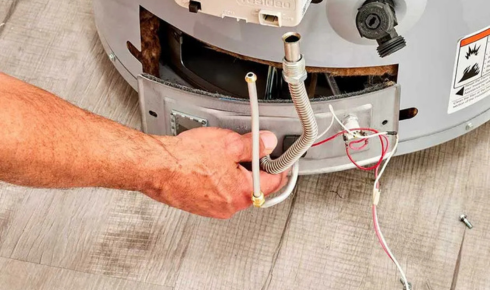
In those moments, water heater repair can be a smart, practical step. Not every issue requires a full replacement. Sometimes it’s a failing heating element. Sometimes sediment buildup is reducing efficiency. Sometimes a thermostat just needs recalibration. Addressing small issues early can extend the life of a unit by years.
The problem is that many homeowners wait too long. We tend to normalize inconvenience. We adjust. Shorter showers. Running appliances at odd times. Avoiding certain taps. Before we know it, the workaround becomes routine, and the underlying problem grows.
There’s also the safety aspect, which often gets overlooked. Water heaters involve pressure, heat, and in some cases, gas. A neglected system isn’t just inefficient—it can be dangerous. Leaks can cause water damage. Faulty components can strain electrical systems. In rare cases, failures can be catastrophic. That’s not meant to alarm, just to remind us that maintenance isn’t optional—it’s protective.
What makes this topic interesting isn’t just the technology. It’s how closely it ties to daily habits. Hot water touches everything: hygiene, cleaning, cooking, comfort. When it works well, it fades into the background. When it doesn’t, it takes center stage.
There’s also something quietly grounding about investing in the bones of a home. Walls, wiring, plumbing, heating. These are the things that make a house livable, not just livable-but-pretty. Choosing to care for them is a form of long-term thinking, a recognition that comfort isn’t accidental—it’s maintained.
As homes evolve, so do expectations. Energy efficiency matters more. Sustainability matters more. So does reliability. Today’s water heater decisions are often about balancing upfront cost with long-term savings, environmental impact with performance, innovation with proven reliability. There’s no one-size-fits-all answer, and that’s okay.
The best decisions tend to come from understanding—not pressure. Understanding how your household uses hot water. Understanding what signs to watch for. Understanding that replacing or repairing a system isn’t a failure; it’s part of home ownership.
In the end, hot water is a quiet luxury. It doesn’t announce itself. It doesn’t demand praise. But when it’s there, consistently and reliably, life feels smoother. And when it’s gone, even briefly, you realize just how much you depend on it.
Maybe that’s the takeaway. Pay attention before the cold shock. Listen to the small signals. Take care of the systems that take care of you. Because comfort, when you think about it, is rarely loud—but it’s always worth protecting.