There’s a certain rhythm to a home that’s hard to describe until it’s disrupted. Water runs when you need it. Drains do their job without complaint. Showers stay warm, pressure feels right, everything just… works.
You don’t think about it much. Why would you?
But when something shifts—even slightly—you feel it right away. A slow drain, a cold shower, a damp smell in the basement. It’s never just “plumbing.” It’s your daily routine being nudged out of place.
The Small Things That Add Up
Plumbing problems rarely arrive all at once. They creep in, quietly.
A faucet that drips just enough to notice.
A sink that drains a little slower each week.
A water bill that seems higher than usual.
Individually, these things don’t seem urgent. But together, they tell a story. And that story usually leads back to a system that needs a bit of attention.
This is where residential plumbing solutions come into play—not as a last resort, but as a way to restore balance before things get worse.
When Water Goes Where It Shouldn’t
Few things feel more unsettling than water showing up in the wrong place. A damp corner in the basement, a faint musty smell, or worse—standing water after heavy rain.
It doesn’t take much for moisture to become a problem.
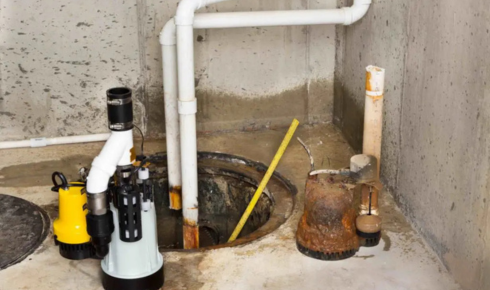
That’s why sump pump installation is something many homeowners consider, especially in areas prone to flooding or high groundwater levels. It’s one of those systems you hope you never have to think about—but when you need it, you’re glad it’s there.
Quietly working in the background, it protects your space without asking for attention.
The Everyday Importance of Hot Water
Hot water is one of those comforts you don’t fully appreciate until it’s gone. A shower that suddenly turns cold, dishes that don’t quite come clean—it throws everything off.
That’s where water heaters step in. They’re not glamorous, not something you show off—but they’re essential. Whether it’s a traditional tank system or a modern tankless setup, the goal is the same: reliable heat when you need it.
And when it’s working properly, you don’t think about it at all. Which, honestly, is the best-case scenario.
Why Quick Fixes Aren’t Always Enough
It’s tempting to handle plumbing issues with quick solutions. A plunger, a wrench, maybe a DIY fix you found online.
Sometimes it works. Sometimes it doesn’t.
The challenge is that many plumbing systems are more complex than they seem. Pipes run behind walls, connections depend on precise alignment, and one small issue can affect multiple parts of the system.
That’s why taking a step back—and looking at the bigger picture—often leads to better results.
The Value of Getting It Right the First Time
There’s a difference between fixing a problem and solving it.
A temporary fix might stop a leak, but it doesn’t always address the underlying cause. A proper solution, on the other hand, looks at why the issue happened and ensures it doesn’t come back.
That approach might take a little more time upfront, but it saves effort in the long run.
Because dealing with the same problem twice? That’s never as simple as it sounds.
Maintenance That Feels Manageable
You don’t need to constantly monitor your plumbing system, but a bit of awareness goes a long way.
Pay attention to changes in water pressure.
Listen for unusual sounds.
Address small issues before they grow.
These habits don’t take much time, but they help keep everything running smoothly. And over time, they become part of your routine—without feeling like extra work.
When to Call in Help
There’s a point where DIY stops being practical.
Persistent leaks, recurring clogs, inconsistent water temperature—these are signs that it’s time to bring in someone who understands the system inside and out.
It’s not about giving up control. It’s about making a smarter choice.
Because sometimes, the best way to fix a problem is to let someone with experience handle it.
The Comfort of Consistency
At the end of the day, plumbing isn’t about pipes or fixtures. It’s about comfort.
Water that flows when you need it.
Heat that stays consistent.
Systems that work without drawing attention to themselves.
That consistency is what makes a house feel like home.
And when everything is in balance, you don’t notice it. You just live your life.
Final Thoughts
Plumbing is one of those systems that quietly supports everything else. You don’t think about it when it’s working—but when it’s not, it’s impossible to ignore.
Taking care of it doesn’t require constant effort. Just a bit of awareness, timely action, and the willingness to address issues before they grow.
Because in the end, the goal isn’t to manage your plumbing system every day.
It’s to trust that it’s doing its job—so you don’t have to think about it at all.