Running a business involves plenty of moving parts. Employees need the right tools, customers expect a clean environment, and deliveries have to arrive when they’re supposed to. Waste collection might not seem like a major concern until overflowing bins start taking up space behind the building or rubbish begins accumulating near the loading area. Suddenly, something that usually happens in the background becomes one more problem to solve.
The good news is that a well-planned waste collection arrangement can make daily operations much easier. Choosing the right container, understanding collection schedules, and estimating how much waste your property produces can help keep things tidy without unnecessary expense. It doesn’t need to be complicated, but a little thought at the beginning goes a long way.
Why Container Size Matters More Than You Might Think
Every commercial property produces waste differently. A small café may generate food packaging, cardboard, and disposable containers throughout the day. An office building might produce paper, packaging, and general rubbish, while an apartment complex has to accommodate waste from several households at once.
The amount of waste is only part of the picture. Available space, collection frequency, and the types of materials being discarded also influence which container will work best. A business with limited room behind its building may need a compact setup with more frequent collections, while a larger property might benefit from greater capacity.
Start by observing how quickly your existing bins fill up. Are they overflowing before collection day? Do they remain nearly empty for several days? These patterns can tell you whether the current arrangement needs to change. It’s also helpful to consider seasonal fluctuations, particularly for restaurants, retailers, and businesses that experience busy periods during holidays or special events.
Before ordering a container, measure the proposed placement area and make sure the collection vehicle can reach it safely. The largest available option isn’t always the most practical one. What matters is finding a setup that fits the property’s layout and daily routine.
When a Smaller Container Is the Sensible Choice
Not every business needs a large dumpster. Smaller commercial properties often produce manageable amounts of everyday rubbish, and a compact container can be easier to accommodate without sacrificing valuable parking or delivery space.
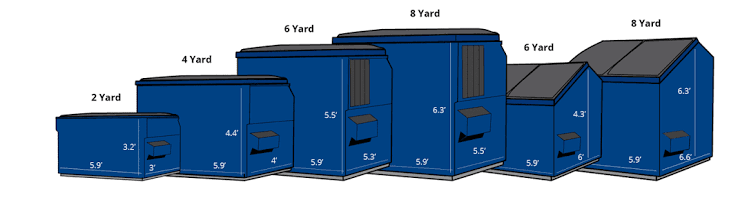
A 4 yard front load dumpster may be suitable for some small businesses, offices, or properties with relatively modest waste volumes. For example, a small professional office might generate mostly paper, food packaging, and routine workplace rubbish. With a suitable collection schedule, a smaller container could provide enough capacity without occupying more space than necessary.
Restaurants and food-service businesses need to think beyond volume, though. Waste can accumulate quickly during busy shifts, and the type of material being discarded may affect how frequently collections are needed. Local rules and the provider’s policies may also determine which materials can go into a particular container.
The key is to avoid choosing a size based on appearance alone. A compact dumpster can work well when the waste volume is predictable, but it may become inconvenient if the business grows or begins producing more packaging. Ask the provider about collection frequency and the cost of changing container sizes if your needs change later.
Finding a Middle Ground for Growing Businesses
Some properties sit between the needs of a small office and those of a large commercial facility. A busy restaurant, neighbourhood grocery store, or medium-sized apartment community may produce enough waste to outgrow a small container without requiring the largest option available.
In these situations, a 6 yard front load dumpster can offer a useful middle ground, depending on the amount and type of waste generated. It may provide additional capacity for cardboard, general rubbish, and other accepted commercial materials while remaining manageable for properties with moderate space.
Think about how waste is produced throughout the day. A retail store might receive several deliveries in the morning, leaving a considerable amount of packaging to dispose of before customers arrive. A restaurant may produce most of its waste during lunch and dinner service. Understanding these patterns helps determine whether a particular container size and pickup schedule will work in practice.
It also helps to establish simple procedures for employees. Flattening suitable cardboard, keeping waste out of walkways, and following the provider’s loading instructions can make the disposal area easier to manage. These small habits won’t eliminate the need for adequate capacity, but they can help make better use of the space available.
When comparing options, ask about weight limits as well as volume. Dense materials can make a container heavy even when it isn’t full, and exceeding the permitted weight may lead to additional charges or collection restrictions.
When Your Property Produces More Waste
Large commercial buildings, apartment complexes, hotels, and busy retail locations may generate substantial amounts of rubbish every week. For these properties, insufficient capacity can become a recurring issue, affecting cleanliness and creating extra work for maintenance staff.
An 8 yard front load dumpster may be worth considering when a property consistently produces higher volumes of accepted waste. The larger capacity can reduce the need for multiple smaller containers, provided the site has enough room and the collection arrangement suits the business.
However, more capacity doesn’t automatically mean fewer collections. Restaurants, for example, may need frequent pickups because of the nature of their waste, while a warehouse producing mostly dry packaging might follow a different schedule. The right combination depends on how quickly the container fills and the materials being placed inside it.
Before installing a larger dumpster, consider the surroundings. Will it obstruct delivery vehicles or customer parking? Can the collection truck approach without difficulty? Is there sufficient clearance for the lifting equipment? These practical questions are easy to overlook when focusing mainly on capacity, yet they can determine whether the arrangement works smoothly.
A site inspection or conversation with an experienced provider can help identify placement issues before the container arrives.
Keep Collection Schedules and Costs Under Control
Even a well-sized dumpster can become inconvenient if collections aren’t coordinated with the property’s needs. Too few pickups may result in overflowing waste, while unnecessarily frequent service can increase costs.
Review the collection schedule regularly, particularly after changes in occupancy, staffing, business activity, or seasonal demand. If your container fills well before the scheduled pickup, discuss whether additional collections or a different size would be more practical. If it rarely approaches capacity, you may be able to adjust the schedule.
Pricing deserves the same attention. Ask for a clear explanation of container rental charges, collection fees, service frequency, and any potential additional costs. Confirm the rules for prohibited materials, overfilled containers, and excess weight before agreeing to a service arrangement.
It’s also sensible to understand the provider’s response process if a pickup is missed or your business suddenly produces more waste than expected. Having a clear contact and knowing what alternatives are available can prevent a minor inconvenience from becoming a bigger operational problem.
Maintain a Cleaner, More Efficient Property
Waste collection is easy to overlook when everything is working well, but it plays an important role in keeping commercial properties safe, organised, and welcoming. A suitable container gives employees a clear place to dispose of rubbish and helps prevent unwanted material from spreading into work areas.
Take time to review your waste volume, available space, accepted materials, and collection schedule before choosing a container. Revisit those decisions as your business changes. A setup that works today may need adjusting when the property expands or daily operations become busier.
Ultimately, the best front load dumpster is the one that fits your actual needs—not simply the smallest or largest option on the list. With sensible planning and a reliable collection arrangement, waste management becomes a routine part of running your property rather than a problem that demands attention every few days.