Most of us expect water to be one of the simplest parts of running a home. You turn on the kitchen tap, fill a glass, and get on with your day. So when the water tastes different, leaves stubborn marks around the shower, or starts smelling a little unusual, it can be surprisingly unsettling. Is it a plumbing problem? A mineral issue? Does the water need treatment at all?
These questions matter because water concerns don’t always have an obvious answer. A filter that works beautifully in one home might do very little in another. Rather than rushing into a purchase, it helps to understand what’s happening, gather reliable information, and make a decision based on the actual needs of your household.
Start With What You Notice at Home
Sometimes the first clues are small enough to ignore. White spots keep appearing on glasses even after they’ve been washed. Soap doesn’t seem to lather properly. There’s a faint metallic taste, or the laundry feels rougher than usual. Over time, these little annoyances can become part of the daily routine.
They may also point toward different causes. Hard water contains elevated levels of calcium and magnesium, which can contribute to scale buildup. Iron may cause reddish-brown staining, while sediment can leave particles in fixtures or affect water clarity. An unusual smell could have several explanations, including issues with plumbing or naturally occurring substances.
The important thing is not to treat these clues as a diagnosis. Water that looks clean may still contain substances that cannot be detected by sight, taste, or smell. If a change occurs suddenly, particularly in colour or odor, investigate it rather than simply covering it up with a taste-improving filter.
Why Testing Makes the Decision Easier
Before comparing products, find out what your water actually contains. The appropriate test depends on the source and the concern being investigated. Homeowners using a municipal supply can begin by reviewing the local utility’s water-quality report. Those relying on private wells generally need a more tailored testing routine because conditions can vary with local geology, rainfall, and nearby land use.
A basic hardness test can help identify mineral-related concerns, but it cannot establish whether water is free from bacteria, lead, nitrates, or every other contaminant. Health-related questions may require specific testing through a certified laboratory. Follow the sampling instructions carefully; even a good laboratory result is only as useful as the sample collected.
This is where water quality issues need to be approached with patience rather than guesswork. A useful test report should explain what was measured, the results, and any relevant standards or recommendations. If the numbers seem confusing, ask the laboratory or a qualified water professional to explain them in plain language.
Testing also helps prevent unnecessary spending. If the water has a minor taste concern, you may not need a complex whole-house system. If a test identifies a specific contaminant, however, you’ll want a treatment method that has demonstrated performance against that substance.
Understanding the Different Treatment Options
There are several ways to treat water, and each has a particular purpose. Sediment filters capture particles such as sand and rust. Activated carbon can reduce certain tastes, odors, and selected compounds. Water softeners address hardness minerals, while reverse osmosis systems can reduce many dissolved substances in drinking water, depending on the model and its verified performance.
Ultraviolet disinfection may be appropriate when microbial concerns are identified, but it does not remove dissolved chemicals or minerals. Likewise, a standard sediment filter should not be expected to make contaminated water safe to drink. These differences can sound technical, yet they’re worth understanding before choosing equipment.
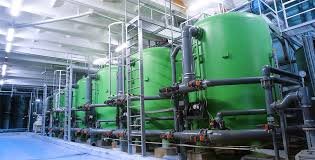
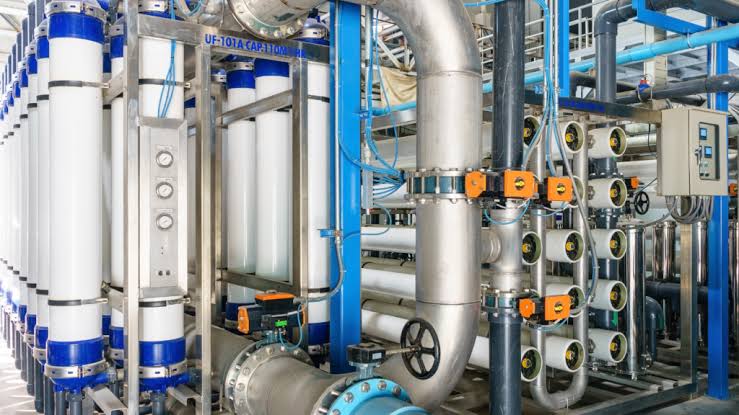
Modern water treatment systems range from compact faucet-mounted filters to larger installations that treat water as it enters a property. A point-of-use unit may be enough for drinking and cooking, while a whole-house setup can make sense when a concern affects several fixtures. The right arrangement depends on the test results, household size, water demand, and installation conditions.
It’s also important to check product documentation. Look for independent certifications or performance data that relate to the substances you want to reduce. Broad claims such as “removes everything” deserve caution. No single device handles every possible water concern under every condition.
What a Good Recommendation Should Include
A treatment proposal should explain the problem before presenting the product. If a contractor recommends a softener, for instance, they should be able to show why hardness is a concern and how the unit will be sized for your household. If the recommendation involves drinking-water filtration, ask which substances the selected filter is designed to reduce.
The water treatment recommendation process should also account for practical details that are easy to overlook. How many people live in the home? Are several showers likely to run at once? Is there enough room for the equipment? Will installation require drainage, electrical access, or plumbing changes? These questions affect both performance and cost.
Ask for a written estimate that separates the equipment, installation, and expected maintenance expenses. Find out how often filters or membranes need replacement and whether the system requires salt, electricity, or regular servicing. A lower purchase price may not represent better value if replacement parts are expensive or difficult to obtain.
A reliable provider should welcome reasonable questions. You shouldn’t feel rushed into signing an agreement because someone says the offer will disappear that afternoon. If a proposal seems excessive or the explanation doesn’t make sense, taking time to seek another opinion is perfectly reasonable.
Maintenance Is Part of the Plan
Installing equipment is only the beginning. Filters have a limited service life, softeners need routine attention, and some systems require periodic sanitation or performance checks. If maintenance is neglected, the system may stop delivering the expected results.
Keep a simple record of installation dates, filter changes, service visits, and water-test results. Set reminders for routine tasks rather than waiting for the water to taste different. If you notice a sudden change in pressure, colour, smell, or taste, investigate the cause instead of assuming that a filter replacement will solve it.
Private well owners should also maintain the wellhead and surrounding area and follow local guidance about testing frequency. After flooding, repairs, or a noticeable change in the water, additional testing may be sensible.
Make a Choice You Can Live With
Water treatment doesn’t need to become a complicated home-improvement project. Begin with the water source, identify the concern, and use appropriate testing to guide your choices. Then compare systems based on documented performance, installation requirements, maintenance, and long-term cost.
The most suitable solution isn’t necessarily the largest or most expensive one. It’s the one that addresses a real need, fits your household, and can be maintained properly. With clear information and a little patience, you can make a confident decision and spend less time worrying about what comes out of the tap.