Water is such an ordinary part of everyday life that we rarely stop to consider what goes into making it enjoyable to drink. Yet a slightly unpleasant taste can change how you feel about your morning coffee, homemade meals, or even a simple glass of cold water after work.
For Knoxville homeowners considering drinking water filtration with RO, reverse osmosis offers a practical way to reduce specific unwanted substances and enjoy convenient access to treated water at home.
What makes this technology particularly interesting is that it often involves several filtration processes working together. Each stage serves a different purpose, contributing to the overall quality of the finished water.
Understanding those differences can help you choose a system that genuinely suits your household rather than purchasing equipment based entirely on marketing claims.
Why Multiple Filtration Stages Make a Difference
Water can contain different types of unwanted substances, ranging from suspended particles to dissolved minerals. A single filtration method may not effectively address all these concerns.
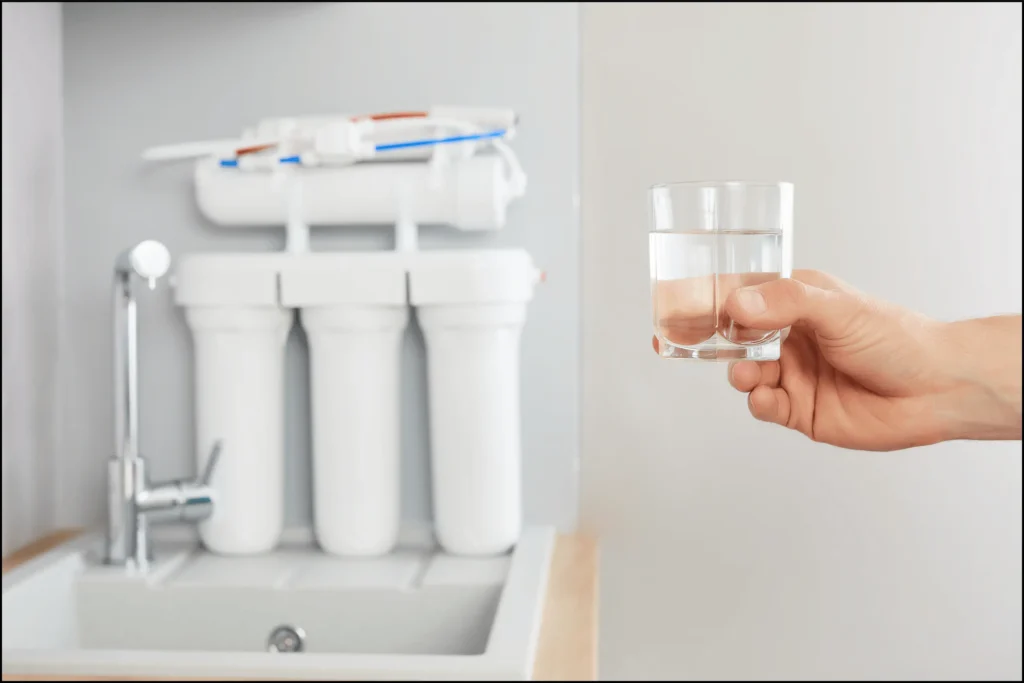
That’s where multi-stage reverse osmosis systems offer a practical advantage. They typically combine sediment filtration, activated carbon treatment, a reverse osmosis membrane, and sometimes additional finishing filters.
The sediment filter captures suspended particles, helping protect other components. Activated carbon can reduce chlorine and certain substances that affect taste and odor.
The membrane then reduces many dissolved substances, while a final carbon filter may further improve taste.
Each component has a specific job. However, more filtration stages don’t automatically guarantee better results. The quality of the components and their verified performance are considerably more important than the number printed on the packaging.
Finding a System That Fits Your Kitchen and Lifestyle
Every household has different drinking water habits. Some families regularly prepare large meals, while others mainly need treated water for drinking and making coffee.
When comparing reverse osmosis filters for home use, consider daily water consumption, available cabinet space, incoming water pressure, and ongoing maintenance requirements.
Traditional under-sink systems often incorporate a storage tank that holds treated water until needed. Tankless designs, meanwhile, may appeal to homeowners who prefer a more compact installation.
Think about your busiest moments in the kitchen. If several family members regularly fill water bottles while someone prepares dinner, sufficient production capacity matters.
Ask about installation requirements, dedicated faucet options, and replacement filter availability before purchasing.
A well-chosen system should fit naturally into your household routine without becoming another source of frustration.
Understanding What Reverse Osmosis Can Accomplish
Reverse osmosis uses pressure to move water through a semipermeable membrane. This membrane allows water to pass while reducing many dissolved substances.
Depending on the system’s design and independently verified performance, it can reduce contaminants such as lead, nitrate, fluoride, and dissolved salts.
However, reverse osmosis shouldn’t be viewed as a universal solution for every water quality concern.
Some substances require specialized treatment, and private well owners with microbial contamination may need appropriate disinfection equipment.
For Knoxville residents, reviewing municipal water quality reports or arranging suitable laboratory testing can provide valuable guidance.
Knowing which substances you want to reduce makes it easier to compare equipment and avoid unnecessary purchases.
The Difference Better Water Can Make in Your Kitchen
You don’t necessarily notice water quality in isolation. Sometimes, the difference becomes apparent when preparing familiar foods and beverages.
Coffee may taste more balanced when unwanted flavors are reduced. Homemade ice cubes may carry fewer unpleasant odors, and certain recipes might benefit from water with a more neutral taste.
Of course, personal preferences matter. Some people enjoy drinking water with a noticeable mineral content, while others prefer the cleaner, more neutral flavor commonly associated with reverse osmosis.
Remineralization filters are available for people who prefer adding certain minerals back into treated water.
Ultimately, the goal is finding a balance between appropriate treatment performance and drinking water you genuinely enjoy.
Looking Beyond the Initial Purchase Price
Installing a filtration system involves more than the cost of the equipment itself.
Replacement cartridges, membrane changes, professional servicing, and water consumption all contribute to long-term ownership expenses.
Reverse osmosis also produces a concentrated wastewater stream during operation. Comparing system efficiency can help you choose equipment that makes more responsible use of incoming water.
It’s worth asking how frequently filters need replacing and whether replacement components are readily available.
An inexpensive system with costly replacement cartridges may become less economical than expected.
Take the time to understand the complete ownership experience rather than focusing exclusively on the initial price tag.
Keeping Your Filtration System in Good Condition
Regular maintenance plays an important role in preserving treatment performance.
Sediment and carbon filters need periodic replacement, while membrane replacement depends on operating conditions, water quality, and manufacturer recommendations.
If you notice declining water production, unusual flavors, or changes in system performance, arrange an inspection rather than ignoring the problem.
Keeping a simple maintenance record can help you remember when components were last replaced.
Households dealing with significant hardness or sediment may also benefit from appropriate pretreatment to protect the membrane.
A little attention throughout the year can prevent unnecessary inconvenience and help maintain consistent results.
Making Better Drinking Water an Everyday Habit
For Knoxville homeowners, reverse osmosis can be a worthwhile addition to the kitchen when it addresses genuine water quality concerns.
Start with reliable water testing, compare systems carefully, and choose equipment that fits both your lifestyle and long-term budget.
The real value may become noticeable in ordinary moments — preparing breakfast, filling a reusable water bottle, or enjoying a refreshing glass of water after a busy day.
Better drinking water doesn’t need to be complicated. With thoughtfully selected equipment and regular maintenance, it can simply become another comforting part of everyday life.